NFIP Proof of Loss: What to Submit After a Flood Claim
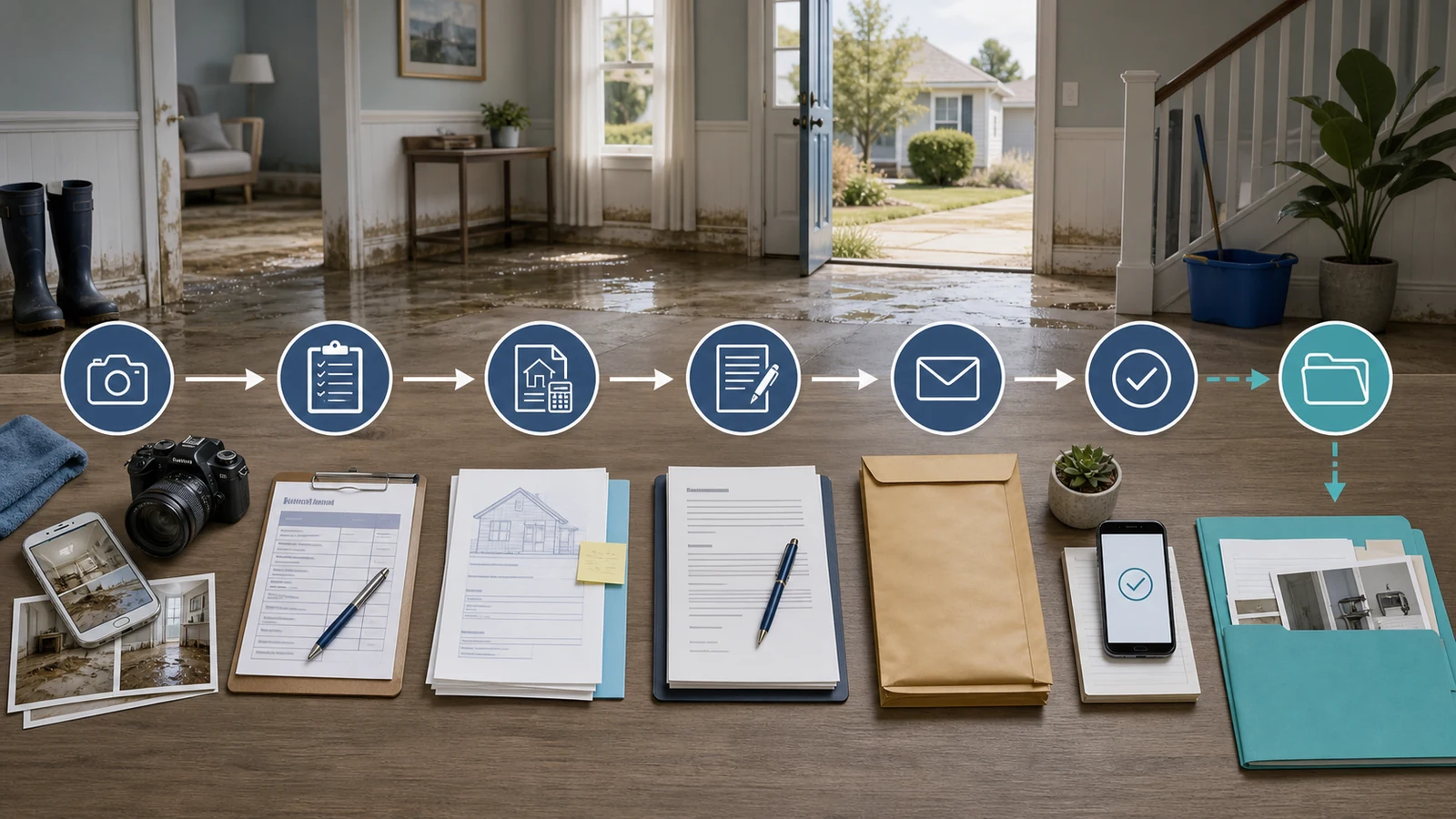
Prepare and submit an NFIP building and contents Proof of Loss: 60-day rule, insurer route, evidence, supplemental requests, and the separate ICC Coverage D track.
Prepare and submit an NFIP building and contents Proof of Loss: 60-day rule, insurer route, evidence, supplemental requests, and the separate ICC Coverage D track.
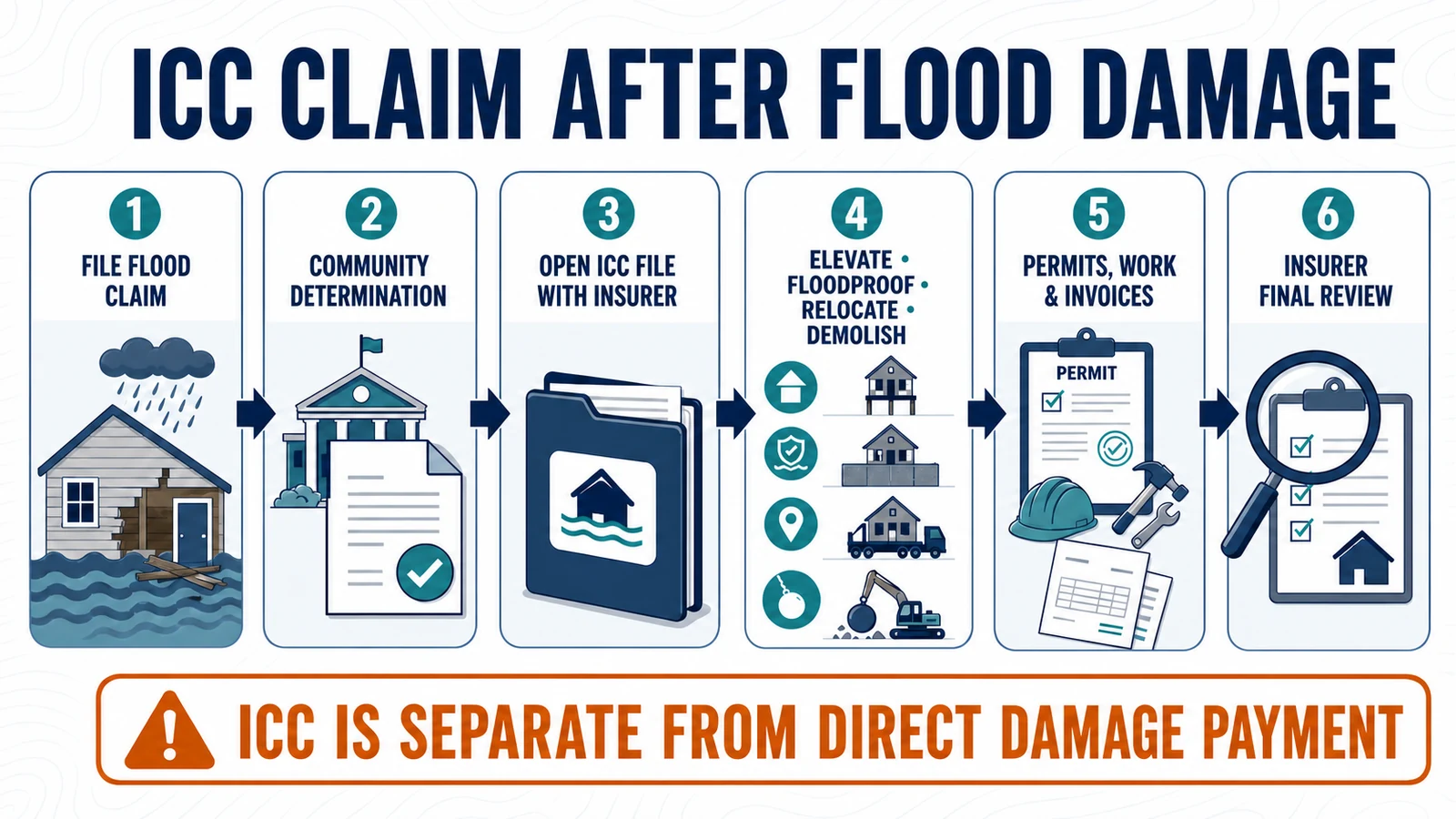
Learn when an NFIP ICC request can begin, which documents support Coverage D, and how advance and final payments work after a community damage determination.
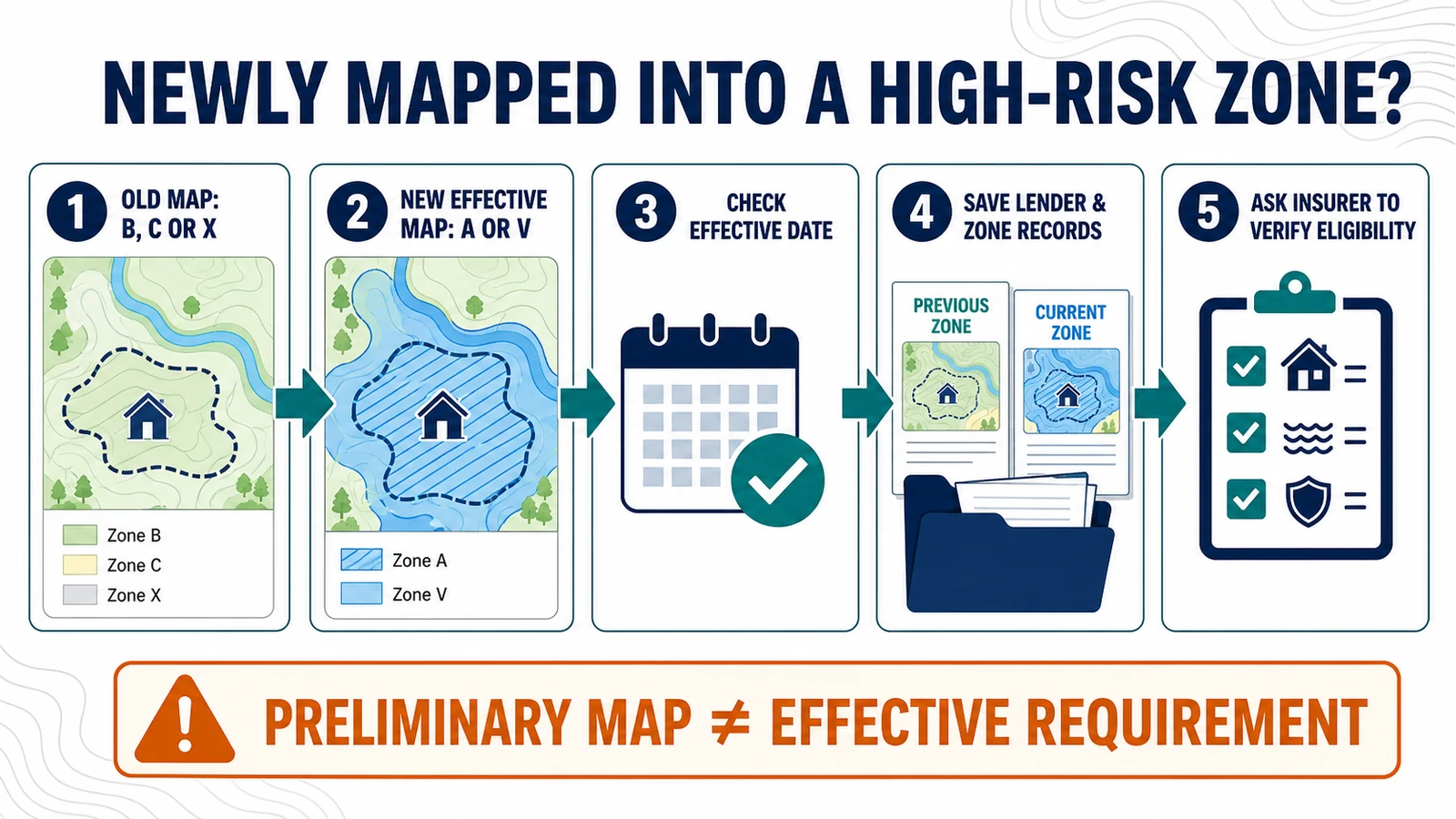
Confirm the effective FEMA map date, lender determination, NFIP Newly Mapped eligibility, policy timing and evidence after a building moves into an SFHA.
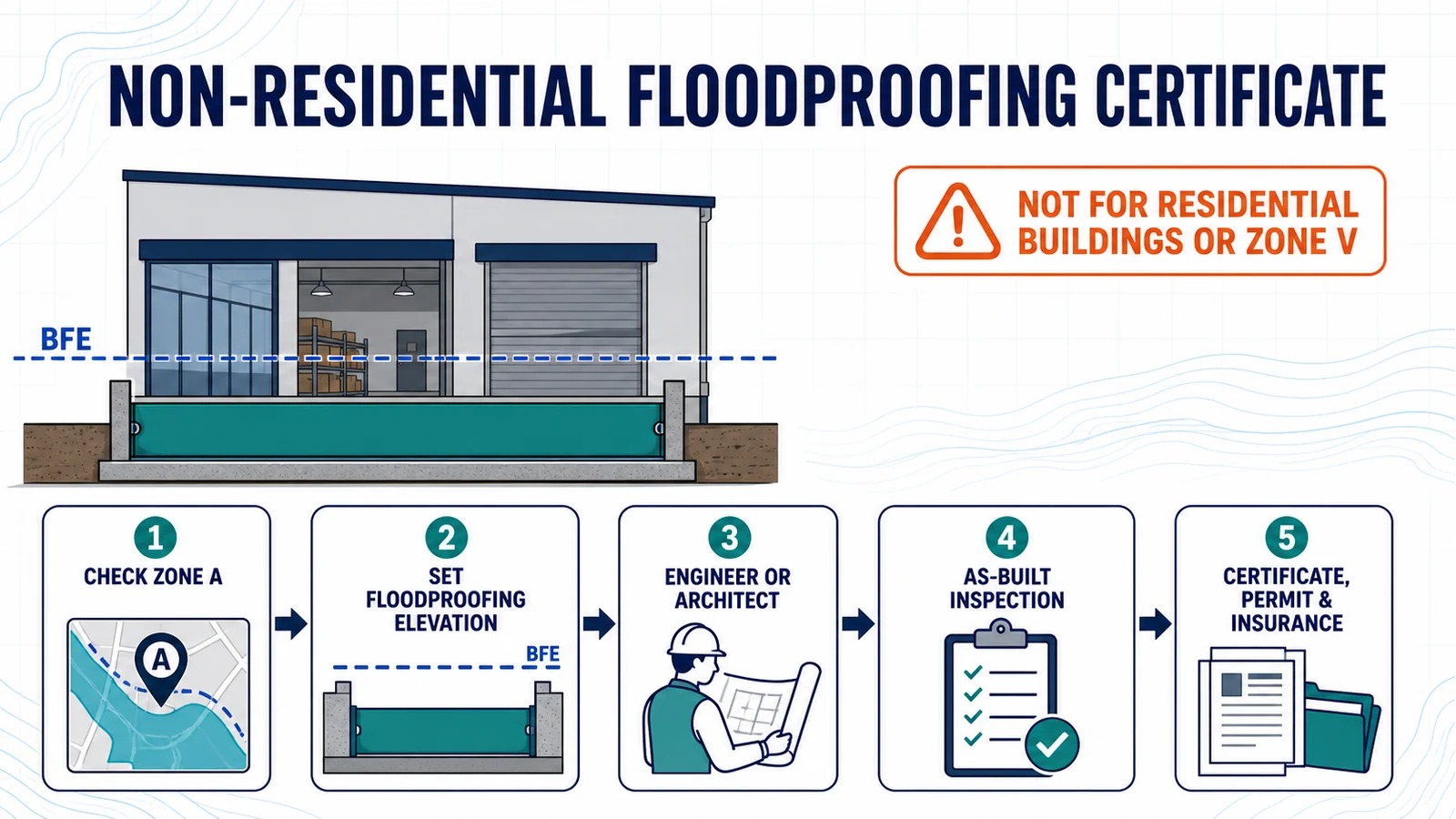
Learn when FEMA’s dry floodproofing certificate applies, who signs each section, what documents support it, and why it does not guarantee a permit or insurance discount.
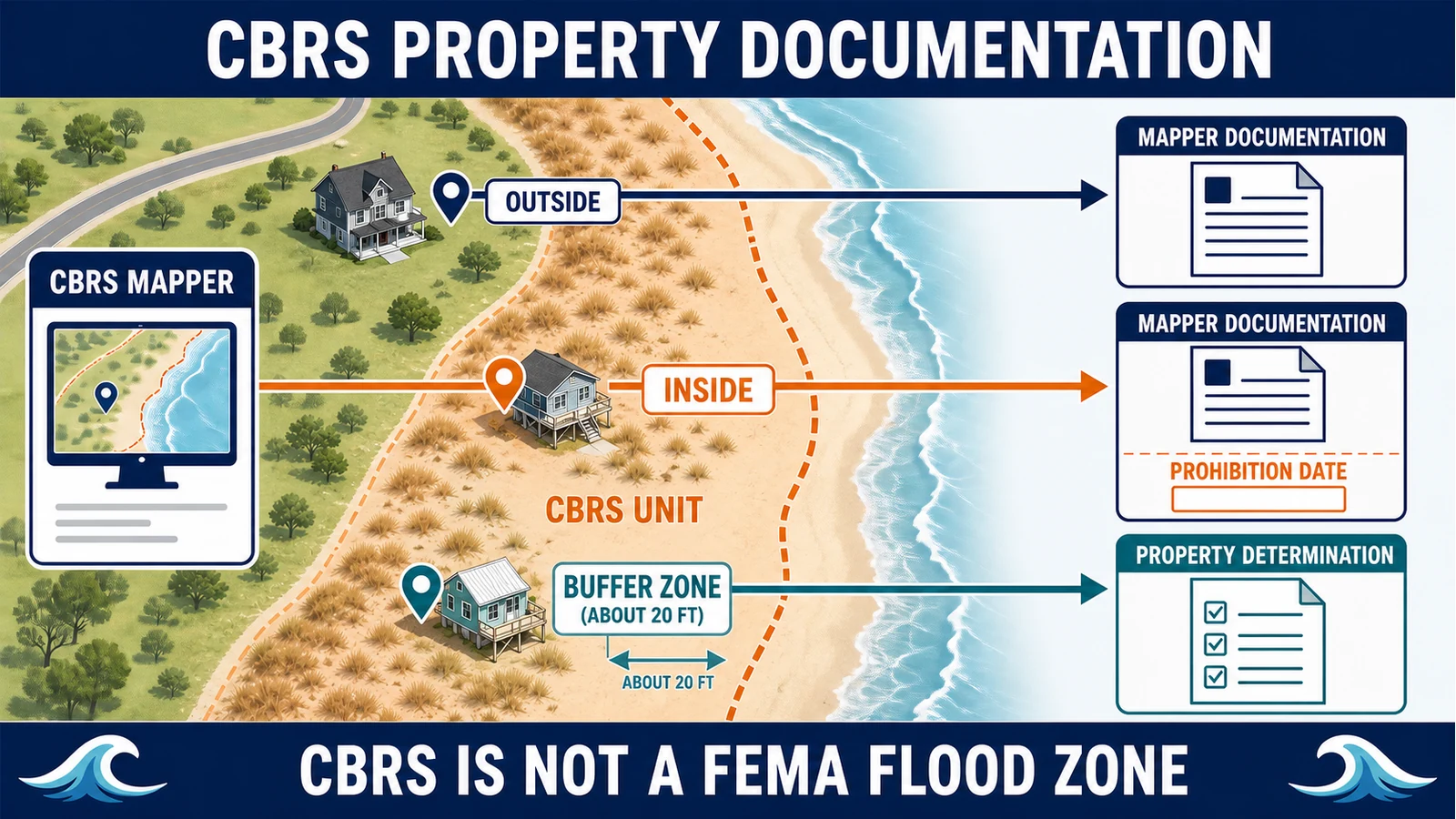
Use the USFWS CBRS Validation Tool, recognize the 20-foot buffer, and request a property determination without confusing CBRS with a FEMA flood zone.
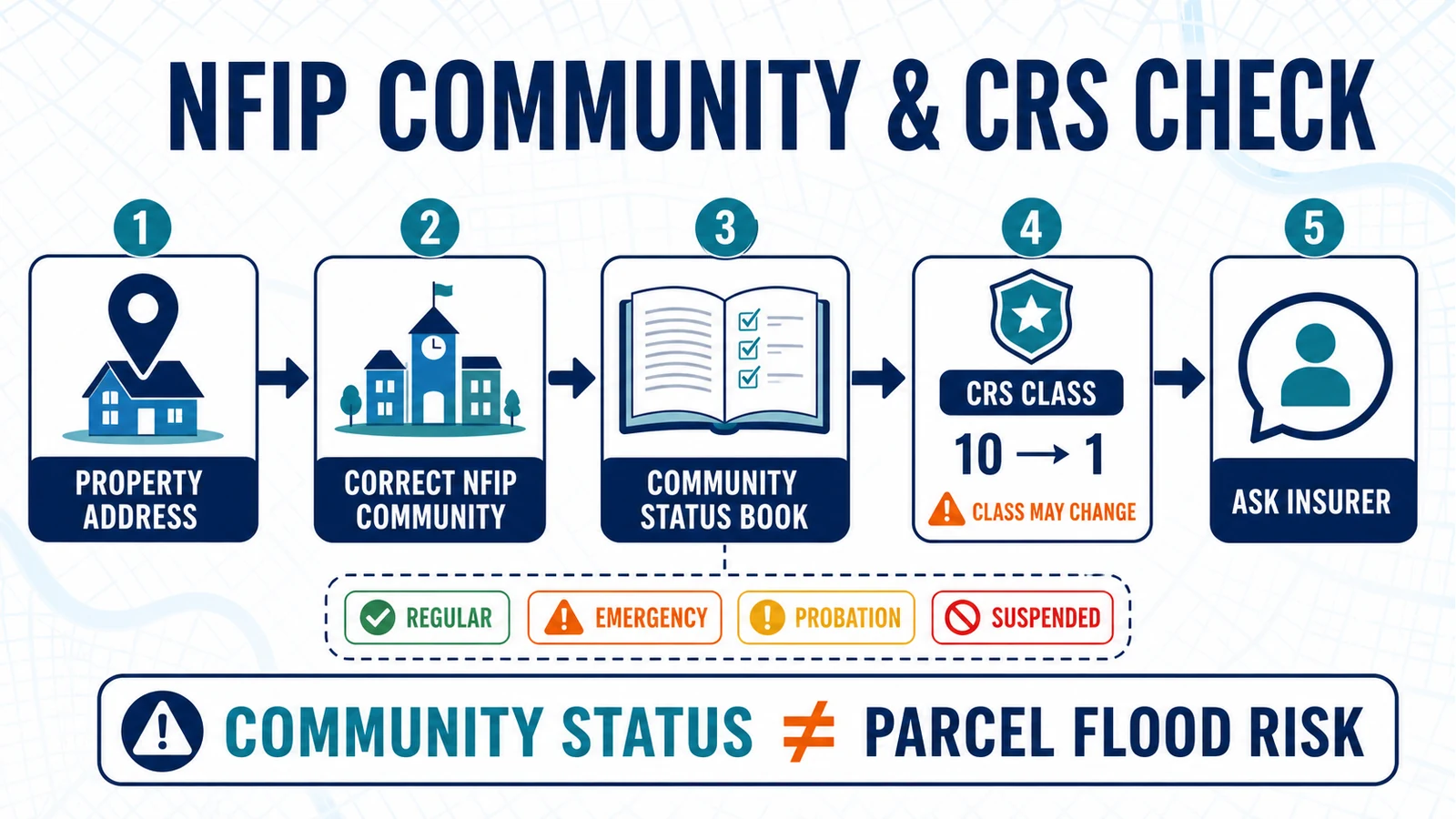
Find the correct NFIP community, CID, participation status, map date, CRS class and potential discount without confusing them with a property flood zone.
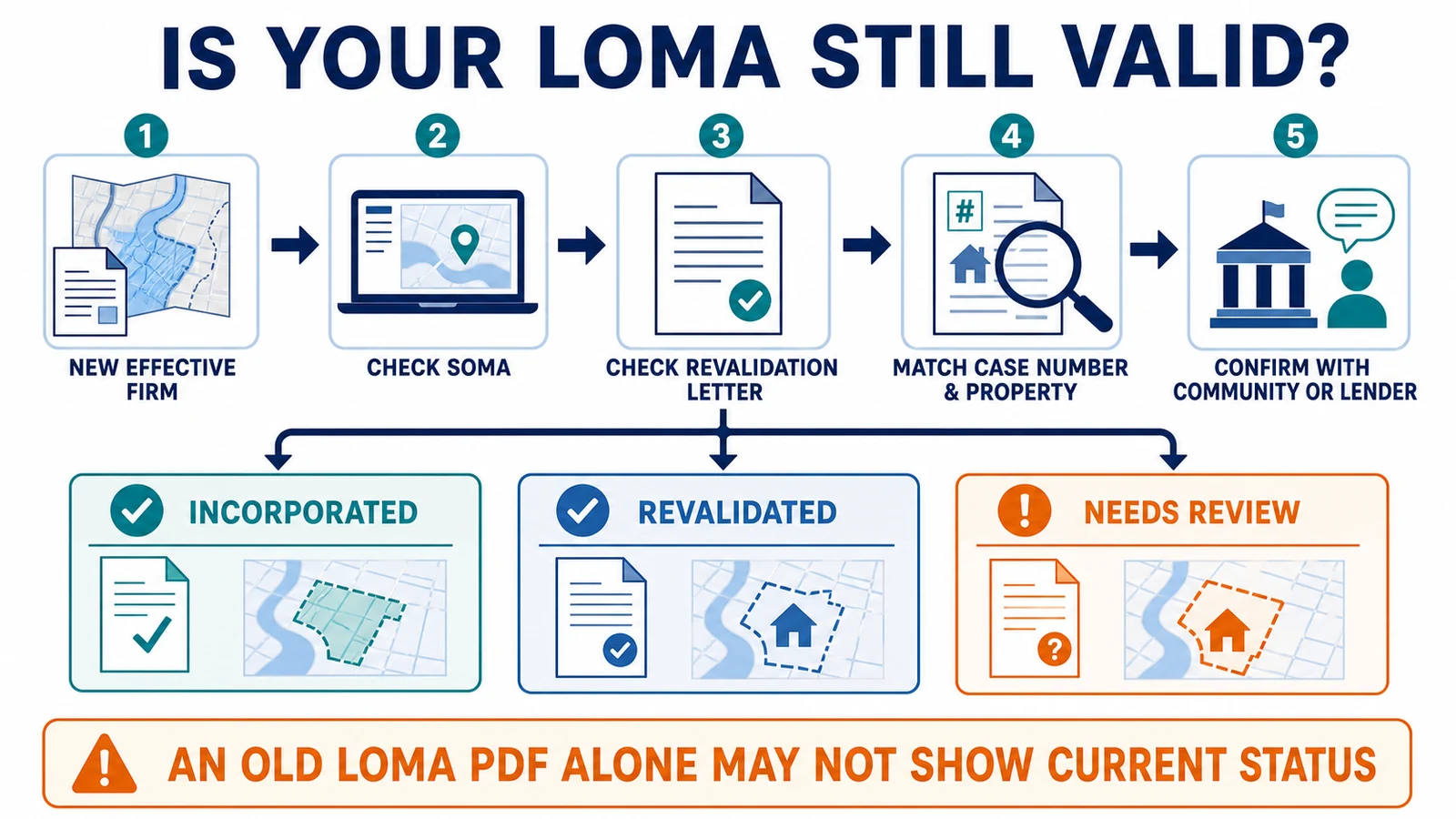
Check whether an earlier FEMA LOMA remains valid after a revised FIRM by matching the case to the current panel, SOMA, and revalidation letter.
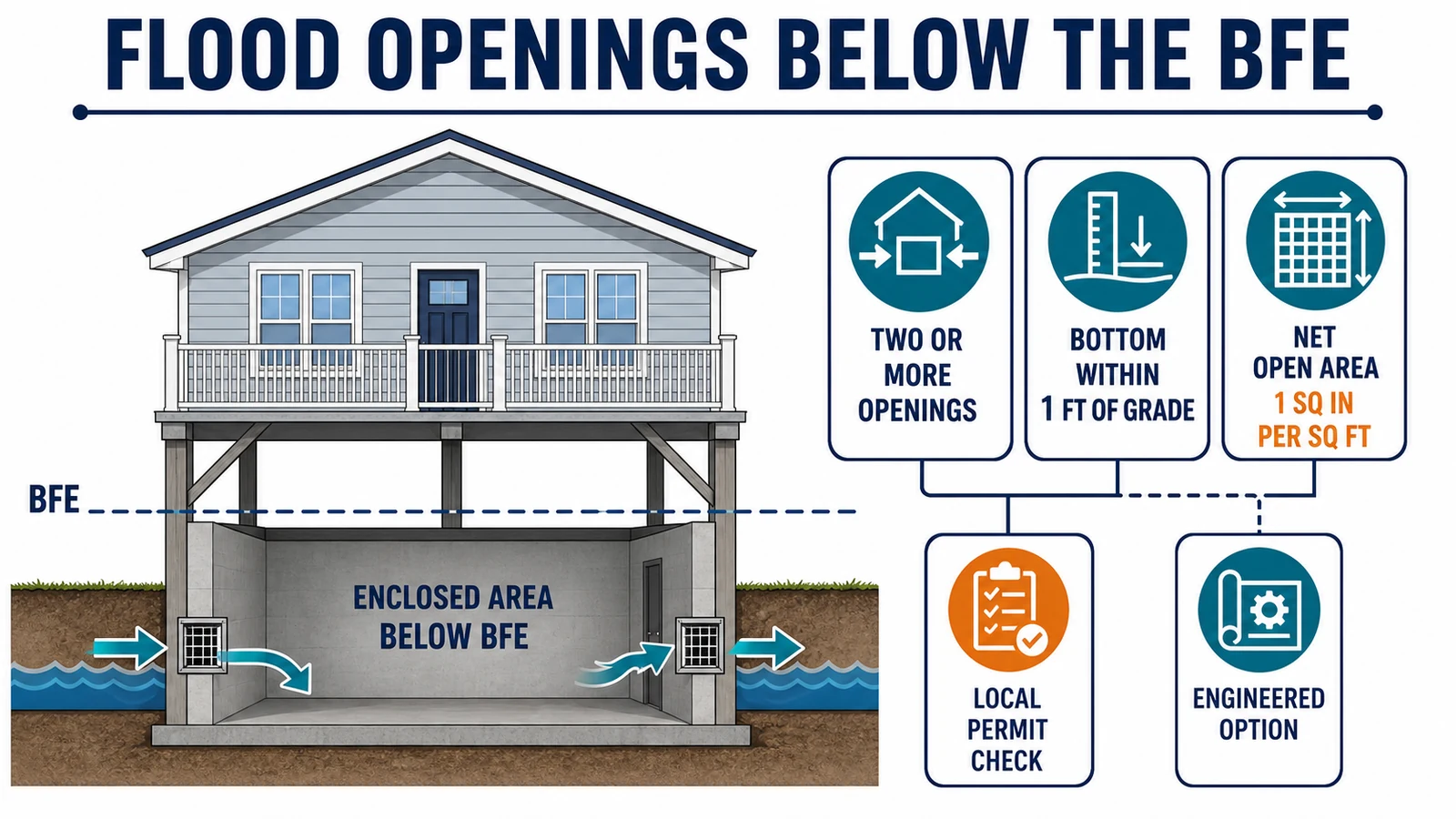
Check FEMA flood-opening area, height, placement, engineered certification, enclosure-use, and local permit requirements before installation.
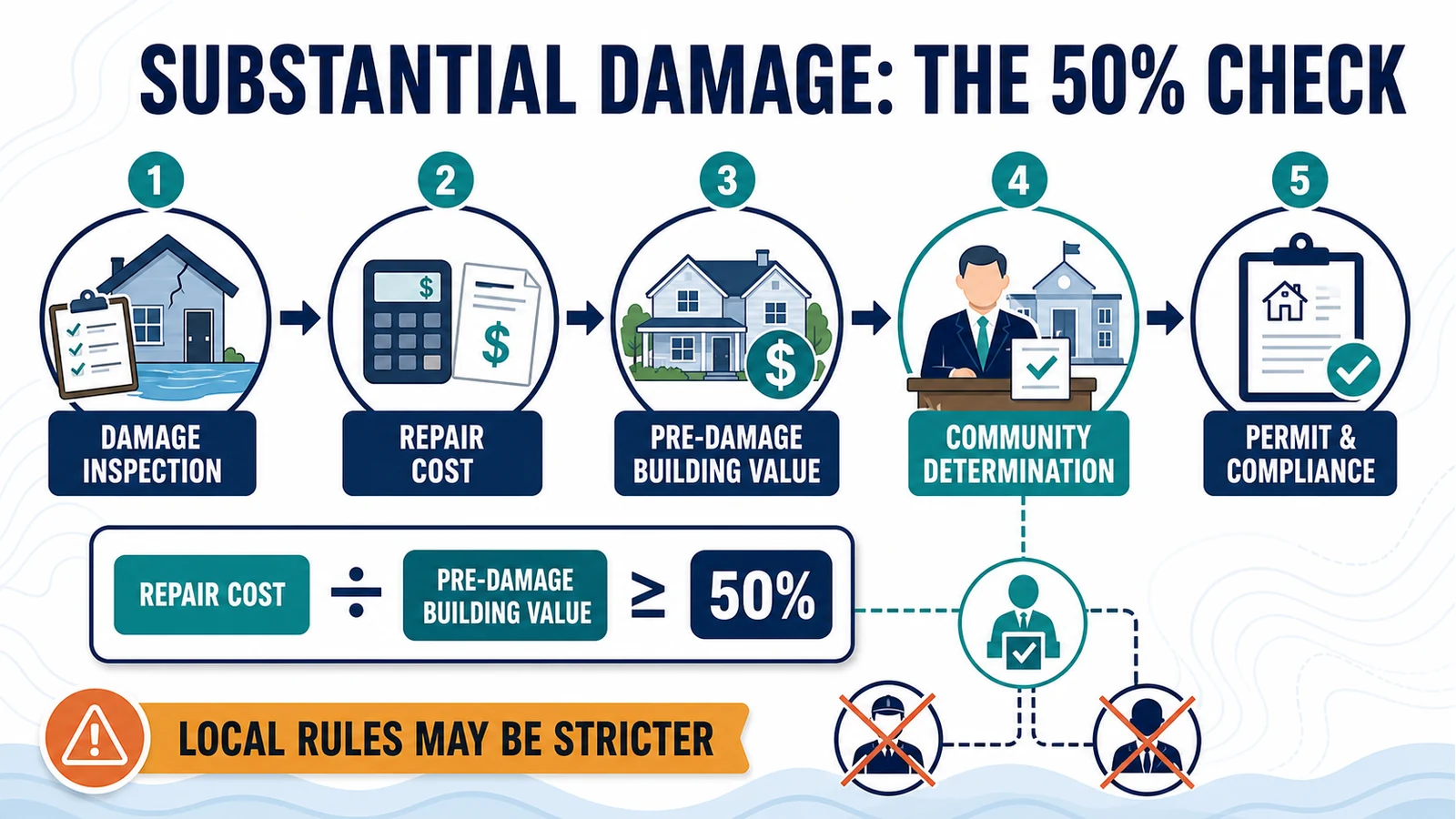
Understand who makes a substantial-damage determination, how the 50% test uses repair cost and pre-damage building value, and what to do before repairs.
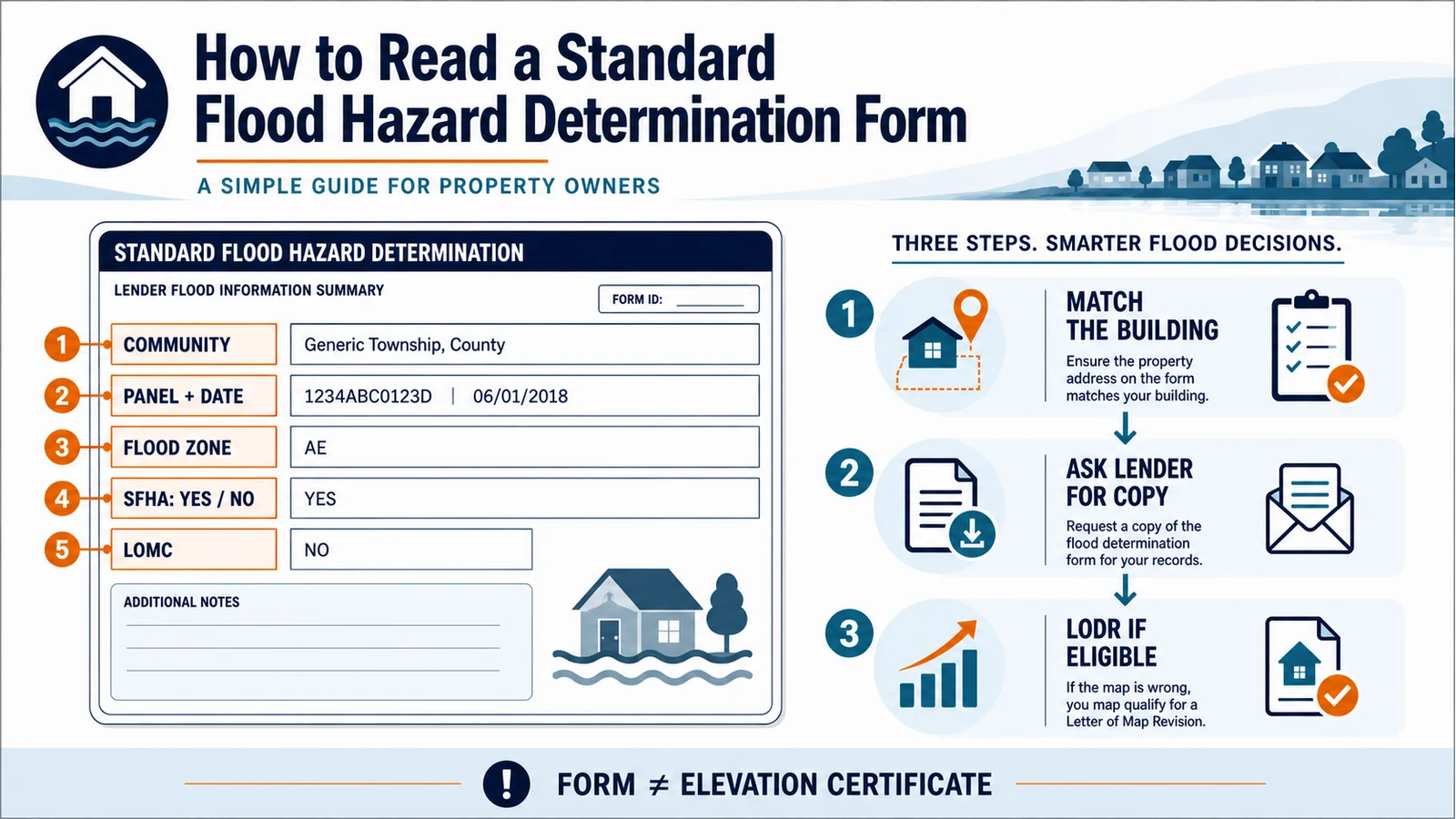
Read the SFHDF building, community, FIRM panel, map date, flood zone, LOMC and SFHA decision before asking a lender to correct an error.